


Key takeaways
What this article covers, in order:
- ముందుగా మీ filing pattern ఏమిటో GST Portalలో చూసుకోండి
- FY 2026-27లో మీకు నిజంగా ట్రాక్ చేయాల్సిన GST returns ఏవి
- monthly filers కోసం calendarను tableలా కాపీ చేయడం కంటే workflowలా చూడండి
- QRMPలో ఉన్నవారికి quarter filing ఉన్నా monthly discipline తప్పదు
- calendar కంటే ఎక్కువగా ITC visibility matters అవుతుంది
- ఒక illustrative, invented పరిస్థితి: తేదీ మిస్సవ్వడానికి అసలు కారణం ఏంటి
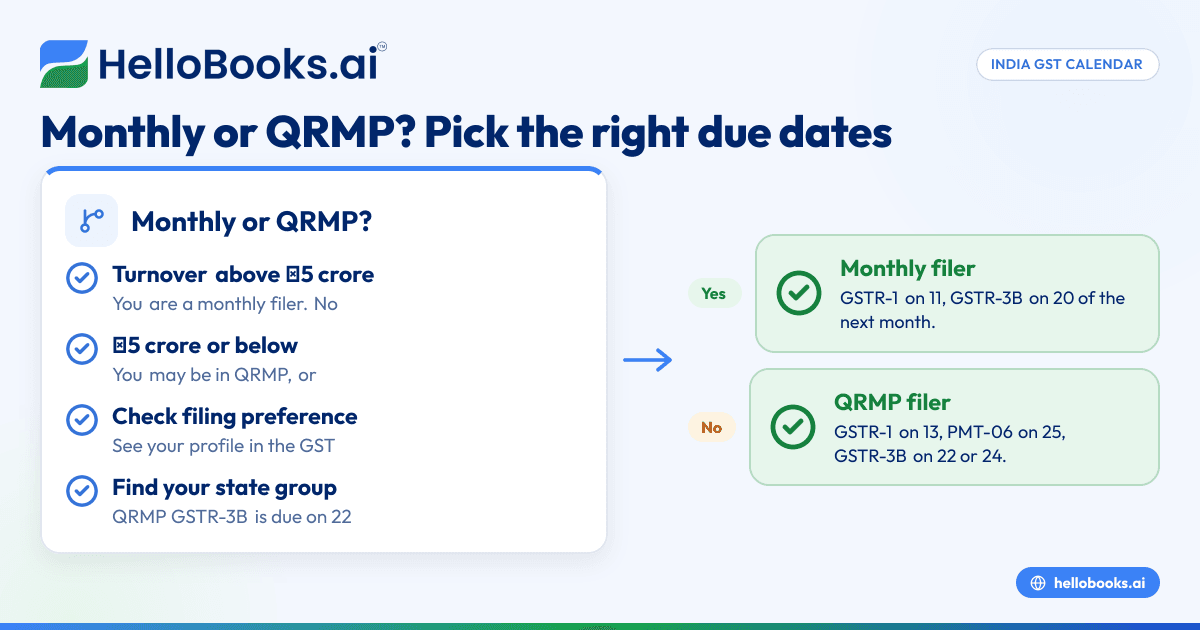
Indiaలో FY 2026-27 GST రిటర్న్ due dates తెలుసుకోవడానికి ముందు ఒకే ప్రశ్న ముఖ్యం: మీ GSTIN monthly filing profileలో ఉందా, లేక QRMPలో ఉందా? GSTR-1, GSTR-3B, అవసరమైతే IFF, PMT-06—all of these sit under the GST law framework administered by the Central Board of Indirect Taxes and Customs (CBIC) and run operationally through GSTN on the GST Portal. ఖచ్చితమైన ప్రస్తుత తేదీలు, ఏదైనా extension, state-wise grouping—all of them should be confirmed on the official GST Portal and CBIC notifications before you file.
ముందుగా మీ filing pattern ఏమిటో GST Portalలో చూసుకోండి
టెలుగులో చాలామంది “నాకు FY 2026-27 GST calendar ఇవ్వండి” అంటారు. కానీ calendar ఒక్కటే ఉండదు. మీ business regular taxpayerగా ప్రతి నెల GSTR-1, GSTR-3B ఫైల్ చేస్తుందా, లేక QRMP కింద quarterకి ఒక్కసారి file చేస్తుందా అనే విషయం ముందే తేలాలి. అదే మీ మొత్తం compliance rhythmను నిర్ణయిస్తుంది.
ఈ classification, option windows, return structure—all arise under the Central Goods and Services Tax Act, 2017 and the connected GST rules, with updates published through CBIC and reflected on the GST Portal. ఎవరైనా bare date table forward చేస్తే దాన్ని final authorityగా చూడకండి. Portalలో login అయ్యి Returns dashboard, profile, filing preference చూసి confirm చేయండి.
ప్రాక్టికల్గా ఇది ఎందుకు ముఖ్యం? ఎందుకంటే:
- monthly filer అయితే sales invoices, purchase bills, bank matching, tax payment rhythm ప్రతి నెల tightగా ఉంటుంది
- QRMP అయితే outward details quarter-endలో ప్రధానంగా জমా అవుతాయి, కానీ monthly payment workflow మాయం కాదు
- branchలు రెండు statesలో ఉంటే, ప్రతి GSTIN profile వేరుగా ఉండొచ్చు
అందుకే one-size-fits-all WhatsApp calendar usually trouble తెస్తుంది.
FY 2026-27లో మీకు నిజంగా ట్రాక్ చేయాల్సిన GST returns ఏవి
ఈ article focus regular businesses ఎక్కువగా చూసే two core returns మీదే: GSTR-1 మరియు GSTR-3B. Indian GST complianceలో ఇవే చాలా SMEs, traders, agencies, service firms, distributorsకు recurring load సృష్టిస్తాయి.
GSTR-1లో సాధారణంగా outward supplies details matter అవుతాయి—B2B invoices, debit notes, credit notes, exports, other relevant outward reporting depending on your facts. GSTR-3B is the summary return where outward tax liability, input tax credit position, reversals where applicable, and net tax payment picture come together.
ఈ structure sits within the CGST Act, 2017, the corresponding State GST laws, and the operational system maintained by GSTN. Current filing dates, enabled features, downtime alerts, and extension orders are published on the GST Portal and by CBIC. మీరు ఎప్పుడూ అక్కడే final check చేయాలి.
మీ day-to-day workflow sideలో, right invoice data లేకపోతే return calendar meaningless అవుతుంది. అదే reason వల్ల GST invoicing useful అవుతుంది: invoice save చేసే సమయంలో place of supply బట్టి CGST/SGST లేదా IGST split సరిగ్గా పడితే, quarter-end లేదా month-end corrections తగ్గుతాయి. అదే data నుంచి GST return filing build అయితే GSTR-1, GSTR-3B figures line up అయ్యే chances పెరుగుతాయి.
monthly filers కోసం calendarను tableలా కాపీ చేయడం కంటే workflowలా చూడండి
ఇక్కడ ఒక important caution ఉంది: నేను current due datesని bare factsగా list చేయడం లేదు, ఎందుకంటే those dates are governed under GST law and can be changed or extended by CBIC, with the latest position published on the GST Portal. So use this section as a planning framework, not as a substitute for the official source.
monthly filerకి year rhythm సాధారణంగా ఇలా ఉంటుంది:
- ప్రతి tax period close అయిన వెంటనే outward invoices freeze చేయాలి
- amendments అవసరమా చూడాలి
- purchase sideలో supplier uploads reflected అయ్యాయా అనేది review చేయాలి
- GSTR-1 file చేసే ముందు invoice-level consistency చూసుకోవాలి
- GSTR-3B ముందు input tax credit, reverse charge, tax heads, cash/credit utilisation logic check చేయాలి
ఇది spreadsheetలో కూడా theoretically చేయొచ్చు. కానీ Indiaలో real lifeలో issues ఇంకాస్త messyగా ఉంటాయి:
- sale Telanganaకి చేశామా, Karnatakaకి చేశామా అన్న place-of-supply error
- invoiceలో IGST బదులు CGST+SGST వేసిన mistake
- e-invoice applicable business అయితే IRN and signed QR missing issue
- goods movementకి e-way bill separateగా టైప్ చేసి mismatch create కావడం
- bank statementలో receipt వచ్చేసినా invoice openగానే ఉండిపోవడం
ఇలాంటి casesలో e-invoicing relevant అయ్యే businessలకు IRN, signed QR invoice stageలోనే handle అయితే later corrections తగ్గుతాయి. Goods movement ఉన్న tradersకి e-way bill workflow invoice dataతో connectedగా ఉండడం duplicate typing తగ్గిస్తుంది.
QRMPలో ఉన్నవారికి quarter filing ఉన్నా monthly discipline తప్పదు
చాలామంది QRMP అంటే “quarterకి ఒక్కసారి చూసుకుంటే సరిపోతుంది” అని అనుకుంటారు. అది dangerous assumption. QRMP taxpayersకి filing cadence quarterly అయినా business reality monthlyగానే నడుస్తుంది—sales monthly, purchase bills monthly, UPI, NEFT, RTGS, IMPS receipts monthly, stock movement monthly.
అందుకే QRMP businessకు practical calendar ఇలా ఉండాలి:
- నెల 1: invoices close, collections match, supplier bills capture
- నెల 2: ITC visibility review, customer follow-up, tax payment planning
- నెల 3: quarter clean-up, outward data finalisation, GSTR-1 and GSTR-3B readiness
Official due dates for IFF or PMT-06, where applicable to your facts, are governed under GST law and are published through CBIC notifications and on the GST Portal. State grouping for QRMP summary return due date is also something you should verify on the official portal, based on the registration state attached to that GSTIN.
తెలుగు states contextలో one practical point: మీ customers ఎక్కడున్నారన్నది filing group నిర్ణయించదు; your registration state does. Multi-state businessesకి ఇది easily confusion కలిగిస్తుంది, especially when one team handles invoicing and another team handles returns.
ఇక్కడ accounting software for India style workflow helpful అవుతుంది when one loginలో multiple GSTINs maintain చేసి, state-wise data separateగా keep చేయవచ్చు. అదే user permissionsతో accountant, owner, branch staff కలిసి పని చేస్తే last-day scramble తగ్గుతుంది.
calendar కంటే ఎక్కువగా ITC visibility matters అవుతుంది
GST complianceలో late filing stress చాలా సార్లు date వల్ల కాదు; data వల్ల. ముఖ్యంగా purchase side messyగా ఉంటే GSTR-3B ముందు tension మొదలవుతుంది. Supplier invoice booksలో ఉంది, కానీ counterparty upload చేయలేదు. Bill PDF ఉంది, కానీ entry కాలేదు. Freightపై reverse charge implications review కాలేదు. Some expensesలో TDS deduction book అయ్యింది కానీ GST classification వేరే sheetలో పడి ఉంది.
ఈ సమస్యలు all-India common అయినా India-specific systems వల్ల ఇంకా visible అవుతాయి because GST is portal-driven and matching-sensitive. The legal basis comes from the CGST Act and rules, while reflected statement data is surfaced through GSTN on the GST Portal.
ప్రాక్టికల్గా useful workflow:
- supplier bills PDF/photo నుంచి OCRతో capture చేయడం
- GSTR-2A/2B viewతో books entry పోల్చడం
- missing invoices tag చేయడం
- ineligible or held-back ITC separately track చేయడం
- reverse charge items isolate చేయడం
అందుకే bank reconciliation and purchase-side automation matter. Bank statement upload చేసి AI reconciliationతో receipts/payments match చేస్తే cash picture clear అవుతుంది; OCRతో purchase bills entry అయితే GSTR-2B comparison meaningful అవుతుంది. Return file చేయడానికి ముందు “ఏ bills నిజంగా booksలో ఉన్నాయి?” అన్న ప్రశ్నకు answer సిద్ధంగా ఉంటుంది.
ఒక illustrative, invented పరిస్థితి: తేదీ మిస్సవ్వడానికి అసలు కారణం ఏంటి
ఇది పూర్తిగా illustrative and invented example మాత్రమే; figures are not official rates, not legal advice, and they leave out many facts such as exact tax positions, eligibility conditions, notice handling, and any state-specific or notification-based relief.
విజయవాడలో ఒక wholesale electrical traderని ఊహించండి. April monthలో అతను invented figuresతో ₹8,40,000 taxable outward sales book చేశాడనుకుందాం, అందులో కొన్ని Andhra Pradeshలో local sales, కొన్ని Telanganaకి inter-state dispatches. Purchase sideలో invented figureగా ₹5,10,000 విలువైన supplier bills ఉన్నాయి. Collectionsలో కొంత UPI, కొంత bank transfer ద్వారా వచ్చాయి. కానీ month-endకి problems ఇలా వచ్చాయి:
- రెండు inter-state invoicesలో place of supply wrongగా capture అయింది
- ఒక dispatchకి e-way bill data invoiceతో tally కాలేదు
- మూడు supplier bills PDFలో ఉన్నాయి కానీ booksలో post కాలేదు
- uploaded bank statementలో two customer receipts unmatchedగా ఉన్నాయి
ఇక్కడ issue due date కాదు. Underlying records clean కాకపోవడమే issue. GSTR-1కి వెళ్లే ముందు outward register repair చేయాలి. GSTR-3Bకి ముందు ITC picture revise చేయాలి. If this business had invoice stageలో tax head split correctగా handled చేసి, purchase bills OCRతో entry చేసి, bank statement upload ద్వారా reconciliation జరిపి ఉండి ఉంటే filing week much lighter అయ్యేది.
అంటే calendar knowledge useful; but process discipline more useful.
Andhra Pradesh, Telangana businessesకు ఎక్కువగా కనిపించే practical traps
టెలుగు readers కోసం generic India template కంటే local practice చెబితే ఉపయోగం ఎక్కువ. Andhra Pradesh, Telangana businessesలో repeatedly కనిపించే issues ఇవి:
1) intra-state vs inter-state confusion
Hyderabad customer, Secunderabad warehouse, Vijayawada billing office, Bengaluru dispatch—ఇలాంటి combinationsలో place of supply and bill-to/ship-to logic తప్పిపోతుంది. Result: CGST/SGST vs IGST mismatch.
2) Tally dependence but return cleanup elsewhere
చాలా firms ఇంకా Tallyలో base books maintain చేస్తూ, returns కోసం separate utility లేదా Excel ఉపయోగిస్తాయి. ఈ split workflow వల్ల amendments, credit notes, stock adjustments miss అవుతాయి. If you are transitioning, a Tally alternative or connector-based migration path helps avoid re-entering everything from scratch.
3) festive and peak-season bunching
దసరా, దీపావళి, year-end dispatches, inventory pushes—all cluster around months when teams are already stretched. Goods-heavy businessesలో e-way bill, stock movement, receivables follow-up అన్నీ ఒకేసారి వస్తాయి.
4) bank credits వచ్చాయి, invoice closing లేదు
UPI and bank transfer culture వల్ల money first కనిపిస్తుంది, paperwork later complete అవుతుంది. Uploaded bank statement reconcile చేయకపోతే return weekలో customer-wise trail వెతకాల్సి వస్తుంది.
5) WhatsApp మీద communication, but books elsewhere
Owner instructions చాలాసార్లు WhatsAppలో ఉంటాయి—“ఈ bill adjust చెయ్యండి”, “ఇది advance”, “ఇది branch transfer”. If those instructions booksలో timely reflect కాకపోతే filing mismatchలు వస్తాయి. కొన్ని ownersకి Hindi, English, Hinglishలో WhatsApp-based assistant useful అవుతుంది because accounting question అడగడానికి separate office system open చేయాల్సిన అవసరం ఉండదు.
HelloBooks ఈ GST calendar stressని ఎలా తగ్గిస్తుంది
GST calendarను మనసులో ఉంచుకోవడం ఒక పని; returns file అయ్యే dataని cleanగా ఉంచుకోవడం అసలు పని. HelloBooks contextలో relevant part ఇదే.
Invoice తయారు చేసే సమయంలో customer GSTIN, place of supply, HSN/SAC, and tax head split consistentగా ఉంచడం వల్ల outward data cleaner అవుతుంది. e-invoice applicable businessesకి IRN and signed QR invoice save సమయంలోనే handle అయితే portal-side JSON juggling తగ్గుతుంది. Goods movement ఉన్నప్పుడు invoice నుంచే e-way bill context తయారవ్వడం duplicate entry తగ్గిస్తుంది.
Return weekలో, already-recorded invoices నుంచి GSTR-1 and GSTR-3B direct filing చేయడం practical advantage. Purchase sideలో GSTR-2A/2B reconciliation and ITC tracking కనిపిస్తే “ఏ supplier upload చేశాడు, ఏ invoice missing?” అన్నది ముందే తెలుసుకోవచ్చు. Bank statement upload చేసి AI reconciliationతో receipts and payments match చేస్తే collections picture clear అవుతుంది. OCRతో purchase bills entry అయితే accountant manual typingలో time వృథా కాదు.
Multi-state registration ఉన్న firmsకి multi-GSTIN handling ఉపయోగపడుతుంది. Inventory-led businessesకి stock movement booksతో కలిసి నడిస్తే closing stock, purchase register, sales register మధ్య disconnect తగ్గుతుంది. Owners phone నుంచే చూడాలనుకుంటే mobile app కూడా practical. Pricing కోసం numbers ఇక్కడ quote చేయకుండా, current details కోసం India pricing చూడండి, లేదా demo request చేయండి.
FY 2026-27లో authoritative calendar ఎక్కడ చూడాలి
GST due dates గురించి safest approach simple:
- official GST Portalలో current return dashboard check చేయండి
- relevant CBIC notifications read చేయండి
- your specific GSTIN filing preference verify చేయండి
- state grouping, if relevant, official sourceలో confirm చేయండి
- extension వార్తలను WhatsApp forwards కంటే official publicationతో మాత్రమే trust చేయండి
Useful self-check కోసం HelloBooks free India tools కూడా help అవుతాయి. Filingకు ముందు GSTIN verify చేయాలనుకుంటే GSTIN validator, invoice fields basic sanity checkకు GST invoice validator, reconciliation readinessకు GST reconciliation checker ఉపయోగపడవచ్చు.
చివరగా ఒక legal caution: GST due dates, late fee, interest, eligibility conditions, turnover-linked obligations, e-invoicing applicability, and QRMP options all arise under the CGST Act, 2017, related rules, and official notifications by CBIC, implemented through GSTN on the GST Portal. ఏ current date, threshold, or rate అయినా official sourceలోనే verify చేయాలి; otherwise it is NEEDS EXPERT REVIEW.
అందుకే FY 2026-27 కోసం best calendar అనేది wall chart కాదు. మీ books, invoices, bank statement, purchase bills, ITC view, and GST Portal status—all one disciplined workflowలో ఉండే system.


