


Key takeaways
What this article covers, in order:
- Zero-rated ਦਾ ਮਤਲਬ exempt ਨਹੀਂ ਹੁੰਦਾ
- ਹਰ foreign client ਵਾਲੀ service export ਨਹੀਂ ਬਣਦੀ
- LUT ਕਿੱਥੇ fit ਹੁੰਦਾ ਹੈ, ਅਤੇ IGST route ਕਦੋਂ ਸੋਚਣਾ ਚਾਹੀਦਾ ਹੈ
- Invoice ਬਣਾਉਂਦੇ ਸਮੇਂ exporters ਸਭ ਤੋਂ ਵੱਧ ਕਿੱਥੇ ਫਸਦੇ ਹਨ
- GSTR-1, GSTR-3B ਅਤੇ refund trail ਇੱਕੋ story ਦੱਸਣੀ ਚਾਹੀਦੀ ਹੈ
- Bank realisation, OCR bills ਅਤੇ reconciliation export business ਵਿੱਚ luxury ਨਹੀਂ
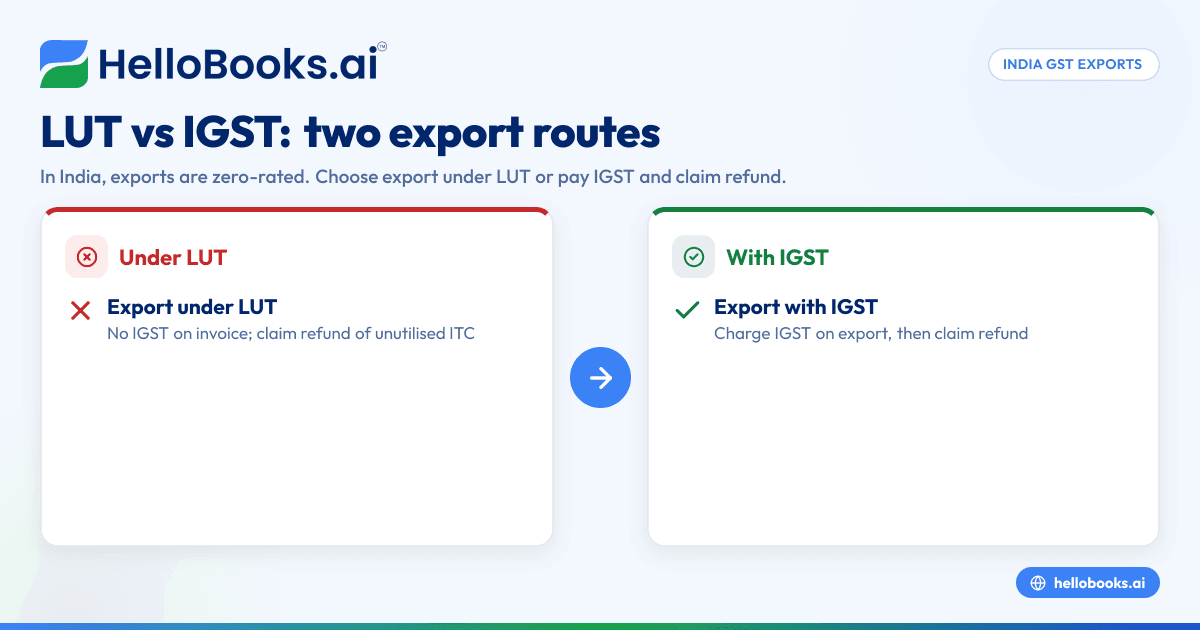
India ਵਿੱਚ goods ਅਤੇ services ਦੇ exports ਆਮ ਤੌਰ ‘ਤੇ GST ਹੇਠ zero-rated ਮੰਨੇ ਜਾ ਸਕਦੇ ਹਨ, ਪਰ ਇਹ ਤਦੋਂ ਹੀ ਸਹੀ ਹੈ ਜਦੋਂ supply ਸੱਚਮੁੱਚ export ਦੀ legal definition ਪੂਰੀ ਕਰੇ. ਸਿੱਧੀ ਗੱਲ: exporter ਕੋਲ ਦੋ ਰਸਤੇ ਹੁੰਦੇ ਹਨ—LUT ਦੇ ਕੇ ਬਿਨਾਂ IGST ਭਰੇ export ਕਰਨਾ, ਜਾਂ IGST ਭਰ ਕੇ eligible refund ਕਲੇਮ ਕਰਨਾ. ਕਿਹੜਾ ਰਸਤਾ ਠੀਕ ਹੈ, ਇਹ ਤੁਹਾਡੇ cash flow, documents, place of supply ਅਤੇ inward ITC position ‘ਤੇ ਨਿਰਭਰ ਕਰਦਾ ਹੈ.
Zero-rated ਦਾ ਮਤਲਬ exempt ਨਹੀਂ ਹੁੰਦਾ
Punjab, Delhi ਜਾਂ Tamil Nadu ਵਿੱਚ ਬੈਠੀ ਕੋਈ business unit ਜਦੋਂ bahar ਦੇ customer ਨੂੰ supply ਕਰਦੀ ਹੈ, ਤਾਂ ਪਹਿਲਾ confusion ਇਹ ਹੁੰਦਾ ਹੈ ਕਿ “GST ਨਹੀਂ ਲੱਗਦਾ” ਦਾ ਮਤਲਬ ਕੀ exempt ਹੈ? ਨਹੀਂ. India ਦੇ Integrated Goods and Services Tax Act, 2017 ਦੇ zero-rated supplies ਵਾਲੇ framework ਹੇਠ export ਨੂੰ exempt supply ਵਾਂਗ ਨਹੀਂ ਦੇਖਿਆ ਜਾਂਦਾ. Current legal wording IGST Act ਵਿੱਚ published ਹੈ, ਅਤੇ compliance guidance CBIC तथा GST Portal/GSTN ਉੱਤੇ ਮਿਲਦੀ ਹੈ.
ਇਸ practical ਫ਼ਰਕ ਨੂੰ ਸਮਝੋ:
- exempt supply ਵਿੱਚ ਆਮ ਤੌਰ ‘ਤੇ output tax ਨਹੀਂ ਹੁੰਦਾ, ਪਰ related input tax credit ਰੁਕ ਸਕਦਾ ਹੈ
- zero-rated supply ਵਿੱਚ output side ‘ਤੇ export customer ਤੋਂ GST collect ਨਹੀਂ ਕੀਤਾ ਜਾਂਦਾ, ਪਰ eligible input tax credit ਦਾ ਹੱਕ ਬਚਿਆ ਰਹਿ ਸਕਦਾ ਹੈ, subject to law and conditions published by CBIC and functionality on the GST Portal
ਇਸ ਲਈ exporter ਲਈ sawaal sirf ਇਹ ਨਹੀਂ ਕਿ invoice ‘ਤੇ tax ਦਿਖਾਉਣਾ ਹੈ ਜਾਂ ਨਹੀਂ. Asal sawaal ਇਹ ਹੈ ਕਿ purchases ‘ਤੇ ਦਿੱਤਾ GST, chahe woh IGST ho ya CGST/SGST mix, books ਅਤੇ returns ਵਿੱਚ ਕਿਵੇਂ flow ਕਰੇਗਾ.
ਹਰ foreign client ਵਾਲੀ service export ਨਹੀਂ ਬਣਦੀ
ਜੇ ਤੁਸੀਂ software development, design, marketing, consulting, BPO, SaaS support ਜਾਂ freelancing ਕਰਦੇ ਹੋ, ਤਾਂ foreign customer ਹੋਣਾ ਹੀ ਕਾਫ਼ੀ ਨਹੀਂ. Service ਨੂੰ export ਮੰਨਣ ਲਈ conditions IGST Act ਅਤੇ related rules ਵਿੱਚ ਦਿੱਤੀਆਂ ਗਈਆਂ ਹਨ, ਅਤੇ latest interpretation CBIC circulars, notifications ਅਤੇ official portal material ਵਿੱਚ ਵੇਖੀ ਜਾਣੀ ਚਾਹੀਦੀ ਹੈ.
ਸਭ ਤੋਂ ਵੱਡਾ trap ਹੁੰਦਾ ਹੈ place of supply.
ਕਈ founders ਨੂੰ lagda hai ਕਿ client USA, UK, UAE ਜਾਂ Singapore ਵਿੱਚ ਹੈ ਤਾਂ service automatically export ਹੋਵੇਗੀ. ਪਰ ਜੇ place-of-supply rule India ਵੱਲ point ਕਰਦਾ ਹੈ, ਤਾਂ treatment ਬਦਲ ਸਕਦੀ ਹੈ. ਇਹ ਖਾਸ ਕਰਕੇ ਉੱਥੇ relevant ਹੈ ਜਿੱਥੇ:
- service India ਵਿੱਚ ਮੌਜੂਦ immovable property ਨਾਲ ਜੁੜੀ ਹੋਵੇ
- service India ਵਿੱਚ physically available goods ਨਾਲ relate ਕਰੇ
- event, performance ਜਾਂ on-ground execution India ਵਿੱਚ ਹੋਵੇ
- supplier ਅਤੇ recipient ਦੇ relationship facts export test ਨੂੰ affect ਕਰਨ
Services ਲਈ payment ਵੀ important evidence ਹੈ. Foreign inward remittance, bank advice, contract, invoice narration, LUT coverage, GST return reporting—ਇਹ ਸਾਰੇ ਮਿਲ ਕੇ picture ਬਣਾਉਂਦੇ ਹਨ. RBI foreign exchange rules ਅਤੇ permitted receipt modes ਬਾਰੇ framework publish ਕਰਦਾ ਹੈ; export proceeds ਨਾਲ ਜੁੜੀਆਂ conditions ਲਈ authorised dealer bank ਦੀ guidance ਵੀ practical ਤੌਰ ‘ਤੇ matter ਕਰਦੀ ਹੈ.
ਜੇ ਤੁਸੀਂ inward payment UPI ਨਾਲ ਨਹੀਂ, balki wire, NEFT, RTGS credit advice adjustments, bank conversion entries ਜਾਂ overseas remittance channel ਰਾਹੀਂ reconcile ਕਰ ਰਹੇ ਹੋ, ਤਾਂ narration ਅਤੇ documentary trail ਸੰਭਾਲਣਾ ਬਹੁਤ ਜ਼ਰੂਰੀ ਹੈ.
LUT ਕਿੱਥੇ fit ਹੁੰਦਾ ਹੈ, ਅਤੇ IGST route ਕਦੋਂ ਸੋਚਣਾ ਚਾਹੀਦਾ ਹੈ
India ਵਿੱਚ exporters ਲਈ LUT ka role cash flow ਬਚਾਉਣਾ ਹੈ. Central Goods and Services Tax Rules, 2017 ਹੇਠ Letter of Undertaking ਦੀ facility ਦਿੱਤੀ ਜਾਂਦੀ ਹੈ, ਅਤੇ current process GST Portal ‘ਤੇ published ਰਹਿੰਦਾ ਹੈ under services relating to LUT furnishing. Regulator side ‘ਤੇ GST administration CBIC ਅਤੇ technology backbone GSTN ਰਾਹੀਂ operate ਕਰਦੀ ਹੈ.
Broadly, do practical routes ਹੁੰਦੇ ਹਨ:
- LUT ਦੇ under export without payment of IGST
- IGST pay karke export, then applicable refund mechanism pursue ਕਰਨਾ
ਛੋਟੇ ਅਤੇ midsize service exporters ਲਈ LUT route ਅਕਸਰ smoother ਹੁੰਦਾ ਹੈ, kyunki working capital block ਨਹੀਂ ਹੁੰਦੀ. Goods exporters ਵਿੱਚ picture thodi nuanced ਹੋ ਸਕਦੀ ਹੈ, especially ਜਿੱਥੇ shipping documentation, e-way bill movement, port timing, inventory cycle ਅਤੇ refund pipeline closely linked ਹੁੰਦੇ ਹਨ.
ਪਰ LUT “formality” ਮਾਤਰ ਨਹੀਂ. ਜੇ conditions later fail ਹੋ ਜਾਣ—ਜਿਵੇਂ receipt condition, export completion evidence ਜਾਂ other legal requirements—ਤਾਂ tax consequence revisit ਹੋ ਸਕਦਾ ਹੈ. Exact consequences, timelines ਅਤੇ any applicable interest provisions bare fact ਵਜੋਂ ਨਹੀਂ ਲਈਆਂ ਜਾਣੀਆਂ ਚਾਹੀਦੀਆਂ; current position CGST Act, IGST Act, rules, notifications and CBIC updates ਵਿੱਚ published ਹੁੰਦੀ ਹੈ and NEEDS EXPERT REVIEW where facts are borderline.
Invoice ਬਣਾਉਂਦੇ ਸਮੇਂ exporters ਸਭ ਤੋਂ ਵੱਧ ਕਿੱਥੇ ਫਸਦੇ ਹਨ
Export GST disputes ਬਹੁਤ ਵਾਰੀ theory ਨਾਲ ਨਹੀਂ, invoice drafting ਨਾਲ ਸ਼ੁਰੂ ਹੁੰਦੇ ਹਨ. Customer foreign ਹੋਵੇ, payment foreign currency ਜਾਂ INR arrangement ਵਿੱਚ ਹੋਵੇ, shipment ho ya service milestone—invoice wording ਹੀ later refund, bank reconciliation ਅਤੇ GSTR-1 reporting ਨੂੰ affect ਕਰਦੀ ਹੈ.
Typical pain points:
- recipient details ਅਤੇ country details inconsistent ਹੋਣ
- GSTIN ਨਾ ਹੋਣ ਵਾਲੇ overseas customer ਨੂੰ domestic-style treatment ਦੇਣਾ
- place of supply reasoning books ਵਿੱਚ capture ਨਾ ਹੋਣਾ
- LUT reference miss ਕਰ ਦੇਣਾ ਜਦੋਂ supply LUT route ਹੇਠ ਕੀਤੀ ਗਈ ਹੋਵੇ
- export of services ਅਤੇ intermediary-type situations ਨੂੰ confuse ਕਰਨਾ
- goods movement documents, e-way bill details ਅਤੇ shipping references disconnected ਹੋਣਾ
ਇੱਥੇ practical bookkeeping ਬਹੁਤ matter ਕਰਦੀ ਹੈ. smart invoicing ਵਰਤਦਿਆਂ exporter invoice ਬਣਾਉਂਦੇ ਸਮੇਂ place-of-supply logic ਅਤੇ tax-head split ਨੂੰ consistent ਰੱਖ ਸਕਦਾ ਹੈ, ਤਾਂ ਜੋ domestic sale ਵਿੱਚ CGST/SGST ਅਤੇ inter-state/export context ਵਿੱਚ IGST treatment ਗਲਤ mix ਨਾ ਹੋਵੇ. Jahan e-invoice rules legally apply, e-invoicing-software ਰਾਹੀਂ IRN ਅਤੇ signed QR workflow save-time ‘ਤੇ generate ਹੋ ਸਕਦੀ ਹੈ, instead of portal JSON juggling. Thresholds and applicability figures are published by CBIC through notifications and on the GST Portal; any current number should be checked there.
Goods exporters ਲਈ dispatch side ਵੀ equally important ਹੈ. Agar movement documentation alag spreadsheet ਵਿੱਚ ਹੋਵੇ ਅਤੇ tax invoice alag system ਵਿੱਚ, mismatch ka risk ਵੱਧ ਜਾਂਦਾ ਹੈ. e-way bill software ਨਾਲ invoice ਤੋਂ movement details reuse ਕਰਨਾ typing errors ਘਟਾਉਂਦਾ ਹੈ.
GSTR-1, GSTR-3B ਅਤੇ refund trail ਇੱਕੋ story ਦੱਸਣੀ ਚਾਹੀਦੀ ਹੈ
Export compliance ਦਾ core principle ਇਹ ਹੈ ਕਿ books, bank, invoice, shipping evidence ਅਤੇ returns ਇੱਕੋ narrative ਦਿਖਾਉਣ. India ਵਿੱਚ ਇਹ narrative ਮੁੱਖ ਤੌਰ ‘ਤੇ GSTR-1 ਅਤੇ GSTR-3B ਰਾਹੀਂ ਸਾਹਮਣੇ ਆਉਂਦਾ ਹੈ, with data filed on the GST Portal managed through GSTN under the GST law framework administered by CBIC.
ਕਈ exporters practical ਤੌਰ ‘ਤੇ ਇੱਥੇ ਗਲਤੀ ਕਰਦੇ ਹਨ:
- invoice books ਵਿੱਚ export mark ਕੀਤਾ, ਪਰ return table ਵਿੱਚ ਗਲਤ classification
- LUT ਵਾਲਾ export books ਵਿੱਚ ਠੀਕ, ਪਰ 3B summary ਵਿੱਚ mismatch
- shipping bill values, taxable values ਅਤੇ forex-realisation trail side files ਵਿੱਚ ਪਏ ਰਹੇ
- purchase ITC books ਵਿੱਚ ਹੈ, ਪਰ 2A/2B support weak ਹੈ
Refund ke time department isolated document ਨਹੀਂ ਦੇਖਦਾ; ਉਹ chain dekh sakda hai. Isliye purchase side discipline ਵੀ exporter ਲਈ उतना ही ज़रूरी है जितना output side.
GST return filing software ਵਰਗਾ workflow ਤਦ useful ਬਣਦਾ ਹੈ ਜਦੋਂ GSTR-1 ਅਤੇ GSTR-3B same recorded invoices ਤੋਂ ਬਣਨ, ਨਾ ਕਿ month-end manual retyping ਤੋਂ. Purchase side ‘ਤੇ supplier invoices ਦਾ OCR capture, GSTR-2A/2B reconciliation ਅਤੇ ITC tracking ਇਹ ਜਾਣਨ ਵਿੱਚ ਮਦਦ ਕਰਦੇ ਹਨ ਕਿ jo credit ਤੁਸੀਂ books ਵਿੱਚ ਲਿਆ ਬੈਠੇ ਹੋ, woh portal-side evidence ਨਾਲ ਮਿਲਦਾ ਹੈ ਜਾਂ ਨਹੀਂ. Refund discussion ਵਿੱਚ ਇਹ ਬਹੁਤ practical ਹੋ ਜਾਂਦਾ ਹੈ.
Bank realisation, OCR bills ਅਤੇ reconciliation export business ਵਿੱਚ luxury ਨਹੀਂ
Service exporters ਨੂੰ ਅਕਸਰ ਲੱਗਦਾ ਹੈ ਕਿ unka kaam sirf foreign invoice raise karna hai. Reality ਇਹ ਹੈ ਕਿ GST refund ਅਤੇ audit trail ਵਿੱਚ bank evidence equally central ਹੁੰਦਾ ਹੈ. Remittance advice, FIRC-equivalent banking proof जहाँ relevant ho, invoice reference, currency conversion entry, TDS/TCS adjustments where applicable, and final rupee ledger impact—all must line up.
Suppose ਇੱਕ invented, illustrative scenario ਲੈ ਲਈਏ: Ludhiana ਦੀ ਇੱਕ design agency ਨੇ April ਵਿੱਚ USD-denominated invoice raise ਕੀਤਾ. Bank account ਵਿੱਚ May ਵਿੱਚ rupee credit ਆਇਆ, ਅਤੇ bank charges ਕਟ ਗਏ. Agency ਨੇ books ਵਿੱਚ illustrative ਤੌਰ ‘ਤੇ ₹1,20,000 receivable, ₹1,17,500 receipt ਅਤੇ ₹2,500 bank charges record ਕੀਤੇ. ਇਹ invented figures ਹਨ, sirf reconciliation logic ਸਮਝਾਉਣ ਲਈ; ਇਸ calculation ਵਿੱਚ foreign exchange gain/loss treatment, banking document form ਅਤੇ any direct-tax effects ਸ਼ਾਮਲ ਨਹੀਂ ਹਨ. Agar books ਵਿੱਚ sirf receipt post ਹੋਵੇ ਪਰ invoice close ਨਾ ਹੋਵੇ, ਤਾਂ export proceeds trail ਟੁੱਟ ਜਾਂਦੀ ਹੈ. Agar bank charges expense capture ਨਾ ਹੋਵੇ, P&L ਵੀ distort ਹੋ ਜਾਂਦੀ ਹੈ.
ਇਸੇ ਲਈ bank reconciliation software useful ਬਣਦਾ ਹੈ ਜਦੋਂ monthly bank statement upload ਕਰਕੇ receipts ਨੂੰ invoices ਨਾਲ match ਕੀਤਾ ਜਾਵੇ, ਨਾ ਕਿ ਹਰ line manually retype ਕੀਤੀ ਜਾਵੇ. Purchase side ‘ਤੇ OCR ਨਾਲ supplier bills capture ਹੋਣ ਤਾਂ refund-supporting ITC trail ਵੀ stronger ਰਹਿੰਦੀ ਹੈ.
Goods exporters ਲਈ inventory, transport ਅਤੇ documents ਇਕੱਠੇ ਸੋਚੋ
ਜਿਹੜੇ businesses physical goods export ਕਰਦੇ ਹਨ—textiles, machine parts, handicrafts, processed foods, industrial supplies—ਉਹਨਾਂ ਲਈ GST story sirf invoice ਨਹੀਂ. Inventory movement, packing, transporter data, e-way bill, shipping references ਅਤੇ stock ledger ਇਕੱਠੇ ਚੱਲਦੇ ਹਨ.
Agar stock register Tally ਵਿੱਚ, invoice kisi aur system ਵਿੱਚ, dispatch Excel ਵਿੱਚ ਅਤੇ refund working CA ਦੇ email ਵਿੱਚ ਹੋਵੇ, ਤਾਂ small mismatch ਵੀ later notice trigger ਕਰ ਸਕਦਾ ਹੈ. India ਵਿੱਚ many exporters still start from Tally habits, so migration ਜਾਂ connector-style continuity practical issue ਬਣਦੀ ਹੈ. tally-alternative dekh ਰਹੇ business ਲਈ relevant point ਇਹ ਹੈ ਕਿ migration ਅਤੇ connector workflow ਨਾਲ historical books ਅਤੇ current GST operations ਨੂੰ धीरे-धीरे align ਕੀਤਾ ਜਾ ਸਕੇ, instead of overnight disruption.
Inventory-led exporters ਲਈ live closing stock, purchase-to-sale linkage, branch-wise or GSTIN-wise reporting ਅਤੇ dispatch consistency operationally important ਹਨ. inventory style workflow ਨਾਲ sale ਅਤੇ purchase entries ਦੇ ਨਾਲ stock movement automatically reflect ਹੋਵੇ, ਤਾਂ export season ਵਿੱਚ alag register maintain ਕਰਨ ਦਾ pressure ਘਟਦਾ ਹੈ.
Multi-GSTIN exporters ਅਤੇ CA teams ਲਈ control kaise ਬਣਾਇਆ ਜਾਵੇ
India ਦੇ ਕਾਫ਼ੀ exporters ਇੱਕ state ਤੱਕ ਸੀਮਤ ਨਹੀਂ ਰਹਿੰਦੇ. Manufacturing ਇੱਕ GSTIN ਤੋਂ, merchant export ਦੂਜੇ state ਤੋਂ, warehouse ਹੋਰ state ਵਿੱਚ, accounting team alag city ਵਿੱਚ—ਇਹ ਸਭ ਆਮ ਗੱਲ ਹੈ. GST law state registration model follow ਕਰਦਾ ਹੈ, so multi-GSTIN discipline ਬਹੁਤ zaroori ਹੋ ਜਾਂਦੀ ਹੈ.
Practical issues:
- ਕਿਹੜੀ branch ਨੇ ਕਿਹੜਾ export raise ਕੀਤਾ
- place of supply ਅਤੇ tax head split consistently applied ਹੋਏ ਜਾਂ ਨਹੀਂ
- kis GSTIN ਤੋਂ GSTR-1/GSTR-3B file ਹੋਣਾ ਸੀ
- purchase ITC ਕਿਹੜੀ registration ਨਾਲ relate ਕਰਦੀ ਹੈ
- internal users ਨੇ same customer ਲਈ duplicate masters ਬਣਾਏ ਜਾਂ ਨਹੀਂ
A system ਜਿੱਥੇ multiple GSTINs ਨੂੰ ਇੱਕ login context ਵਿੱਚ handle ਕੀਤਾ ਜਾ ਸਕੇ ਅਤੇ unlimited users model ਨਾਲ accounts staff, owner ਅਤੇ CA firm ਆਪਣੇ role ਮੁਤਾਬਕ ਕੰਮ ਕਰ ਸਕਣ, exporter ਲਈ practical benefit ਦਿੰਦਾ ਹੈ. Financial reports ਵੀ ਇਹੀ entries ਤੋਂ ਨਿਕਲਣ ਤਾਂ GST returns ਅਤੇ management P&L ਵਿੱਚ gap ਘੱਟ ਰਹਿੰਦੀ ਹੈ. Field teams ਜਾਂ owners ਲਈ mobile app helpful ਹੋ ਸਕਦੀ ਹੈ ਜਦੋਂ travel ਦੌਰਾਨ approvals, expense capture ਜਾਂ invoice checks ਕਰਨੇ ਹੋਣ.
LUT ਲੈਣ ਤੋਂ ਪਹਿਲਾਂ ਅਤੇ refund ਚੇੜਨ ਤੋਂ ਪਹਿਲਾਂ ਇਹ documents ਸੋਚੋ
Export GST ਵਿੱਚ law theory ਤੋਂ ਵੱਧ documentary hygiene matter ਕਰਦੀ ਹੈ. Exact checklist business type ਉੱਤੇ depend ਕਰਦੀ ਹੈ, but usually exporter ਨੂੰ ਆਪਣੇ facts ਮੁਤਾਬਕ ਇਹ trail organized ਰੱਖਣੀ ਪੈਂਦੀ ਹੈ:
- contract, PO ਜਾਂ engagement terms
- customer country and recipient identity proof in commercial records
- invoice with correct export/LUT language where applicable
- shipping documents for goods, or service completion evidence for services
- bank realisation trail and ledger closure
- purchase invoices supporting ITC
- GSTR-1 and GSTR-3B consistency
- refund working papers where applicable
LUT furnishing process, refund forms, current documentation expectations, and any procedural updates official ਤੌਰ ‘ਤੇ GST Portal, CBIC notifications/circulars ਅਤੇ relevant rules ਵਿੱਚ published ਹੁੰਦੇ ਹਨ. Form names and process names should be checked there before filing because portal flows change. If your case involves branch structures, related parties, SEZ supplies, foreign currency complications, TDS overlays, or unclear place-of-supply facts, that point NEEDS EXPERT REVIEW.
HelloBooks ਕਿੱਥੇ actual help ਕਰ ਸਕਦਾ ਹੈ
Exporter ਲਈ software ਦਾ fayda tab hai jab woh GST theory ਨੂੰ day-to-day records ਨਾਲ ਜੋੜੇ. HelloBooks ਵਿੱਚ export invoice ਬਣਾਉਂਦੇ ਸਮੇਂ GST invoicing ਅਤੇ place-of-supply logic ਨਾਲ tax treatment consistent ਰੱਖਣਾ ਆਸਾਨ ਹੁੰਦਾ ਹੈ. Jahan e-invoicing legally applicable ਹੋਵੇ, IRN ਅਤੇ signed QR workflow same process ਵਿੱਚ ਆ ਜਾਂਦਾ ਹੈ. GSTR-1 ਅਤੇ GSTR-3B direct filing invoice data ਤੋਂ ਬਣਨ ਨਾਲ return mismatch ਘਟ ਸਕਦਾ ਹੈ.
Refund readiness ਦੇ angle ਤੋਂ purchase bills OCR ਰਾਹੀਂ capture ਹੋ ਜਾਣ, GSTR-2A/2B reconciliation ਨਾਲ ITC track ਹੋਵੇ, ਅਤੇ uploaded bank statement ਦੀ AI reconciliation ਨਾਲ foreign receipts invoices ਨਾਲ tie ਹੋਣ—ਇਹ exporter ਲਈ real operational benefit ਹੈ. Goods exporters ਲਈ e-way bill workflow ਅਤੇ inventory records ਇਕੋ system ਵਿੱਚ ਹੋਣ ਨਾਲ dispatch side cleaner ਰਹਿੰਦੀ ਹੈ. Multi-state setup ਵਾਲੇ business ਲਈ multi-GSTIN handling helpful ਰਹਿੰਦੀ ਹੈ, ਅਤੇ Tally ਤੋਂ shift ਕਰਨ ਵਾਲਿਆਂ ਲਈ migration/connector approach transition ਨੂੰ manageable ਬਣਾਉਂਦੀ ਹੈ.
ਜੇ ਤੁਸੀਂ pehle apni records hygiene check ਕਰਨਾ ਚਾਹੁੰਦੇ ਹੋ, ਤਾਂ free India tools ਵੀ useful ਹਨ—ਜਿਵੇਂ GSTIN validator ਜਾਂ GST reconciliation checker. Product fit ਜਾਂ workflow dekhna ਹੋਵੇ ਤਾਂ demo ਲੈ ਸਕਦੇ ਹੋ, ਅਤੇ plans ਲਈ official page pricing ‘ਤੇ current details ਵੇਖੋ.
Export GST ਵਿੱਚ ਇੱਕ practical decision framework
ਜੇ ਤੁਸੀਂ India ਤੋਂ export ਕਰ ਰਹੇ ਹੋ, ਤਾਂ apne aap ਤੋਂ ਇਹ ਚਾਰ sawaal ਪੁੱਛੋ:
- ਕੀ ਮੇਰੀ supply ਵਾਸਤਵ ਵਿੱਚ IGST Act ਅਨੁਸਾਰ export ਬਣਦੀ ਹੈ, ਜਾਂ sirf foreign client ਵਾਲੀ supply ਹੈ?
- ਕੀ place of supply clearly India ਤੋਂ ਬਾਹਰ justify ਹੁੰਦੀ ਹੈ?
- ਕੀ ਮੈਂ LUT route ਨਾਲ cash flow ਬਚਾਉਣਾ ਚਾਹੁੰਦਾ ਹਾਂ, ਜਾਂ IGST payment/refund route ਮੇਰੇ case ਵਿੱਚ better ਹੈ?
- ਕੀ ਮੇਰੇ invoices, bank entries, ITC records, GSTR-1 ਅਤੇ GSTR-3B ਇੱਕੋ story ਦੱਸਦੇ ਹਨ?
ਜੇ ਇਹ ਚਾਰ answers clear ਹਨ, ਤਾਂ zero-rated treatment practical ਤੌਰ ‘ਤੇ ਸੰਭਾਲੀ ਜਾ ਸਕਦੀ ਹੈ. ਜੇ ਇਨ੍ਹਾਂ ਵਿੱਚੋਂ ਕੋਈ ਵੀ answer doubtful ਹੈ—ਖ਼ਾਸ ਕਰਕੇ services, related parties, SEZ, foreign receipt structure ਜਾਂ mixed domestic/export use cases ਵਿੱਚ—ਤਾਂ law text, CBIC guidance, GST Portal instructions ਅਤੇ experienced CA ਦੀ review ਸਭ ਇਕੱਠੇ ਲੋੜੀਂਦੇ ਹਨ.


