Understanding the three documents
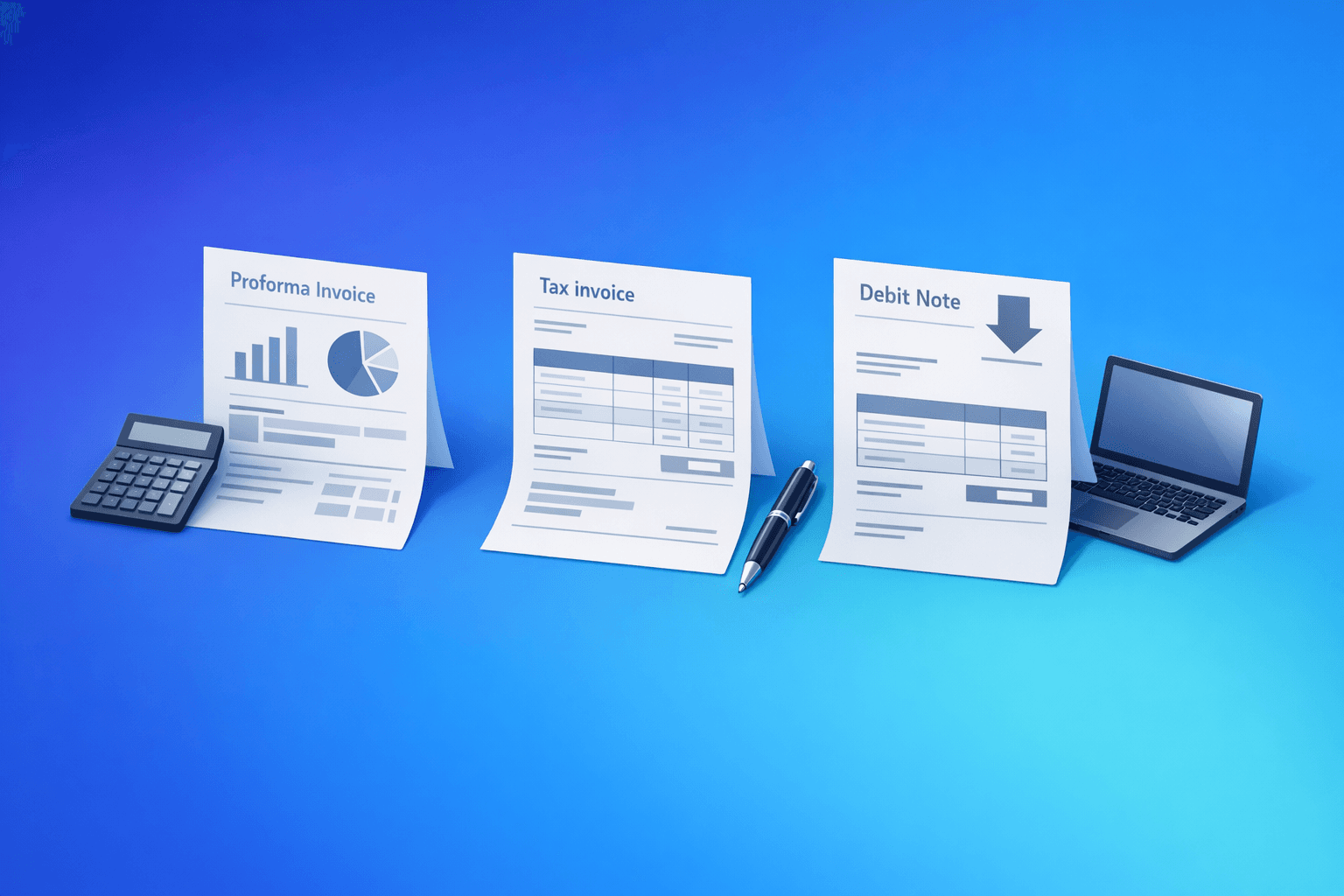
There are multiple types of invoices that businesses utilize for their sales, adjustments, and expectations. Understanding the difference prevents mistakes and tax problems. In plain terms and practical language, this article clarifies three common documents. It takes purpose, content and timing for each document into account.
Purpose
A proforma invoice is a preliminary quotation that contains most of the details the buyer needs to know before shipment. It includes estimated pricing and terms but isn’t a taxable-sale record. Sellers use it to verify the order details and get payment authorization. Sellers and lenders use it to examine costs and schedule payments.
Contents
Proforma invoices typically show estimates, descriptive details, and terms of payment for a potential sale. They typically provide descriptions, quantities, estimated prices and delivery terms for the items. It is not a final tax calculation nor does it have an invoice number for accounting. This makes the process easier for both parties to agree before the actual sale.
- Estimated prices of products or services
- Terms of delivery and estimated dates
- Financial conditions and payment methods
- Line item descriptions and provisional totals
- Shipping and handling estimates
Tax Invoice explained
Purpose
A tax invoice is a record of sale completed for tax and accounting needs. It presents final prices, taxes assessed and seller identification required by tax authorities. It is used by buyers to take input tax credits, where permitted. The president of the Republic of Uzbekistan on March 30, 2022 approved Resolution No. 135 on measures for tax control over legal entities, including the Regulation on approval of invoices for goods (works, services) purchased by legal entities (including electronic check / tax invoice). Tax inspectors must provide checks and provide those checks to representatives of business entities in accordance with the law.
Legal significance
Tax invoices have legal power and back up tax declarations and audits. They usually include an invoice number, date of invoice and details about tax registration and tax breakdown. This document pushes a transaction from estimate to recorded sale in the books. Proper issuance and storage satisfy compliance obligations.
- Contains invoice number and date of issue
- Identifiers for tax registration of sellers and buyers
- Clear overview of taxable sums and tax due
- Total amount to be paid inclusive of taxes
Debit Note explained
When to issue
A debit note adjusts the amounts after an invoice has been lodged and recorded. A seller issues a debit note to the buyer when they want to increase an amount due for their services, possibly due to underbilling or other charges. It provides the buyer with information on what happened and the new amount they need to pay. The debit note can quote the original invoice.
What makes it different from other documents
A debit note corrects an already existing sale, not a new sale creation. It elevates liability for the buyer or lowers a seller credit, depending on circumstances. It must often refer back to the original invoice or credit note. This helps maintain accuracy and transparency in accounts.
- Adjusts undercharged amounts post sale
- References the original invoice and adjustments
- Justifies additional charges
- Updates accounting and tax records
Key differences and practical tips
The three documents differ primarily in terms of timing and legal effect. A proforma invoice is issued before a sale and has no tax recording purpose. The tax invoice records the sale and enables tax reporting and claims. A debit note is issued afterwards to amend or add amounts post sale.
Quick comparison
- Proforma invoice: A pre-sale estimate, not taxable
- Tax invoice: Records post-sale, taxable and legal
- Debit note: Increases amount after sale, corrects the instrument
Good use and record keeping practices
You can issue a proforma invoice before shipment to confirm order details and avoid disputes. Immediately following a sale, you will need to send out a tax invoice for tax purposes. Issue a debit note only when you have to increase a recorded amount by adding an additional charge to the original invoice. Maintain clear cross-references within your files and number and date all documents.
- Separate the proforma copy from the final invoice
- Debit notes should always refer to original invoices
- Keep all documents for audit and reconciliation
Conclusion
These three documents are important for understanding billing and controlling finances. A proforma invoice is used for quotes and pre-sale agreements, a tax invoice records sales and tax obligations, and a debit note records post-sale increases or corrections. Every document serves a specific purpose in the sales and accounting workflow. Maintaining good practices keeps records clean and simplifies tax reporting.