
Key takeaways
What this article covers, in order:
- Over a few years Electronic Invoicing system have gained fame among the manual billing methods due to several reasons.
- Introduction
- How Manual Billing Works
- Understanding Electronic Invoicing
- Cost and Workflow Comparison
- Accuracy and Compliance
Over a few years Electronic Invoicing system have gained fame among the manual billing methods due to several reasons.
Introduction
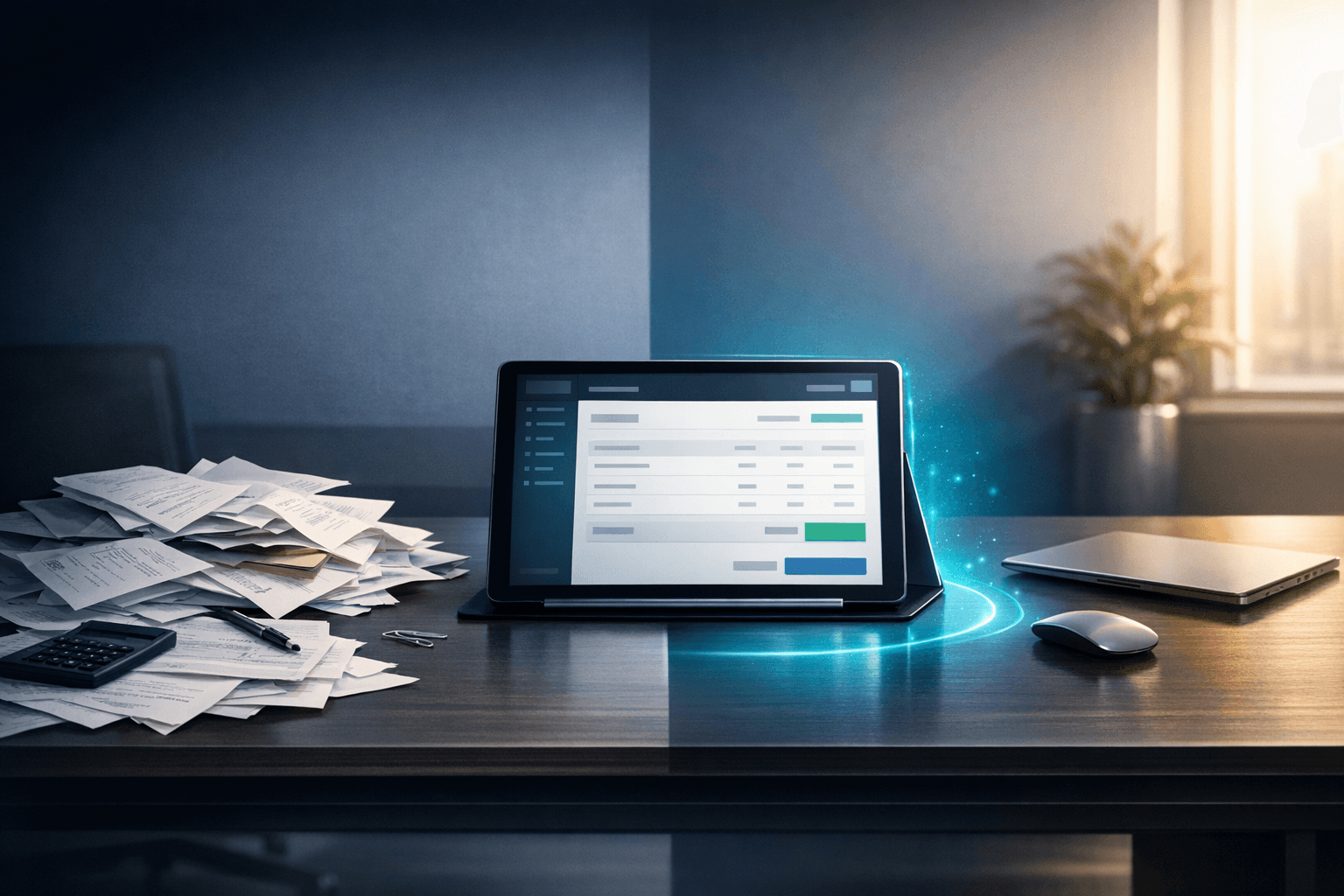
When organizations take into consideration the right kinds of invoicing method, things change when cash flow, time spent by staff as well as error rates vary. Comparison of electronic invoice (e-billing) and manual billing to help readers make a decision The difference in cost, accuracy, and workflow efficiency needs to be very clear. Readers will walk away with tangible points to assess their existing billing model.
How Manual Billing Works
Manual billing entails the creation of invoices manually on paper or generic spreadsheets. Staff are entering line items, calculating totals, and mailing or emailing invoices. This approach may work for micro businesses with a low number of invoices and personal connections. But they frequently result in delays, redundant entry of data, and unexpected labor costs that compound with volume.
Manual billing advantages
- Easy to set-up for small operations
- Low initial software expense
- Process long-documented for longer-standing staff
Manual billing disadvantages
- Very high odds of data entry mistakes
- Protracted approval and delivery times
- No visibility with payment status
Understanding Electronic Invoicing
Electronic invoicing is about structured digital invoices sent and processed via software tools. This model helps automate the creation, delivery and reconciliation of invoices across accounting systems. To facilitate validation and reduce human labor, electronic invoices may comply with standard data formats. This method even further decreases the amount of repeat work and shrinks payment cycles when processing larger volumes.
Key electronic invoicing features
- Auto number generation and invoice delivery
- Electronic tracking of the status of your invoices
- Integration with bank statements and accounting records
Cost and Workflow Comparison
Cost comparison is not limited to buying price but also hand labor and the correction of errors. Manual billing systems may appear to be economical at the outset, with materials costing little; however, over time this translates into higher overall costs as staff time and corrections increase exponentially. It needs upfront investment but reduces manual labour in the long run and also brings down late payments. Which method is best depends on how many invoices you process, your staff capacity and how much accuracy levels you need.
Workflow efficiency comparison
- Manual billing depends on human verifications and paper trails
- Electronic invoicing streamlines workflows and reduces processing time
- Automation allows staff to focus on higher value work
Accuracy and Compliance
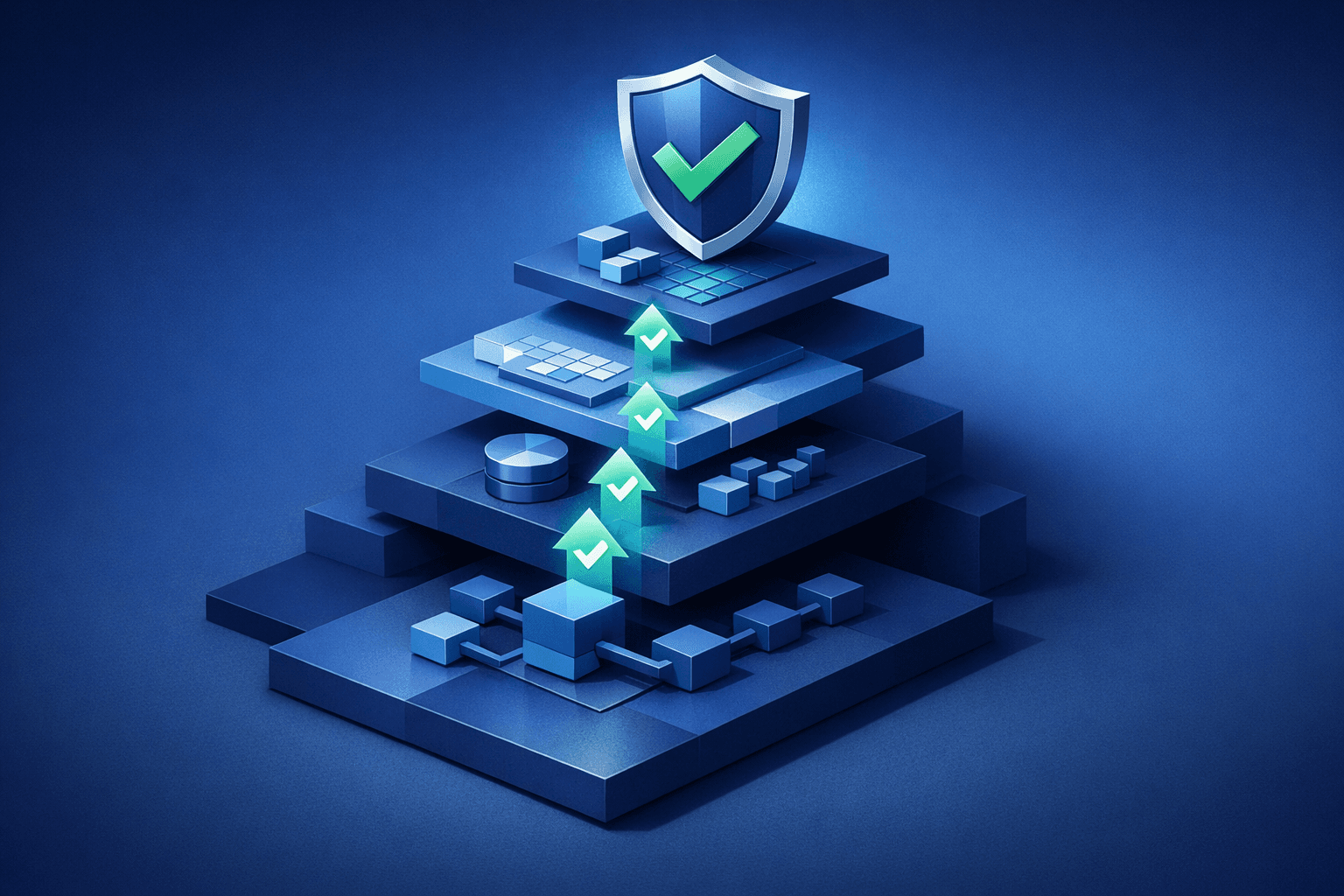
Improved Accuracy: Electronic invoicing allows your supplier to have dedicated structured data fields and automated checks. Say goodbye to calculation errors and inconsistent handling of taxes by relying on manual billing. Clear electronic records help business owners comply with any regulatory or audit requirements they may face. Controls and validation rules are inherently good for business as they ensure that financial reviews have accurate information to work with.
Accuracy benefits
- Reduced processing and transcription errors
- More efficient for regulatory checks with better audit trails
- Automatically calculates tax making less room for guesswork
Choosing the Right Method
When you choose a method, assess your business by factoring in invoice volume, particular staff skills required and cash flow needs. Smaller operations that generate very few invoices will still stick with manual billing but carefully manage labor costs. Electronic invoicing for faster payments and fewer errors is one of the best tips to grow your business, as it can help scale operations. If implemented carefully, hybrid approaches can do so in a phased manner that minimizes disruption.
Decision checklist
- Number of monthly invoices with monthly growth
- Staff-time involved in billing
- Mistaken billing and delayed payments
Final thoughts
Electronic invoicing and manual billing both have their use cases depending on size and priorities. The top trade offs are investment vs savings, and speed vs comfort. Use your assessment of cost savings, accuracy increases and workflow efficiency to help make a decision. Create a strategy that allows for gradual change through training to yield benefits while keeping operations stable.