
Key takeaways
What this article covers, in order:
- A Payroll Platform like a Workforce Management Platform
- Introduction
- Why rethink payroll as a hub
- Payroll as a workforce tool — core features of it
- Key capabilities to look for
- How these capabilities reduce friction
A Payroll Platform like a Workforce Management Platform
Introduction
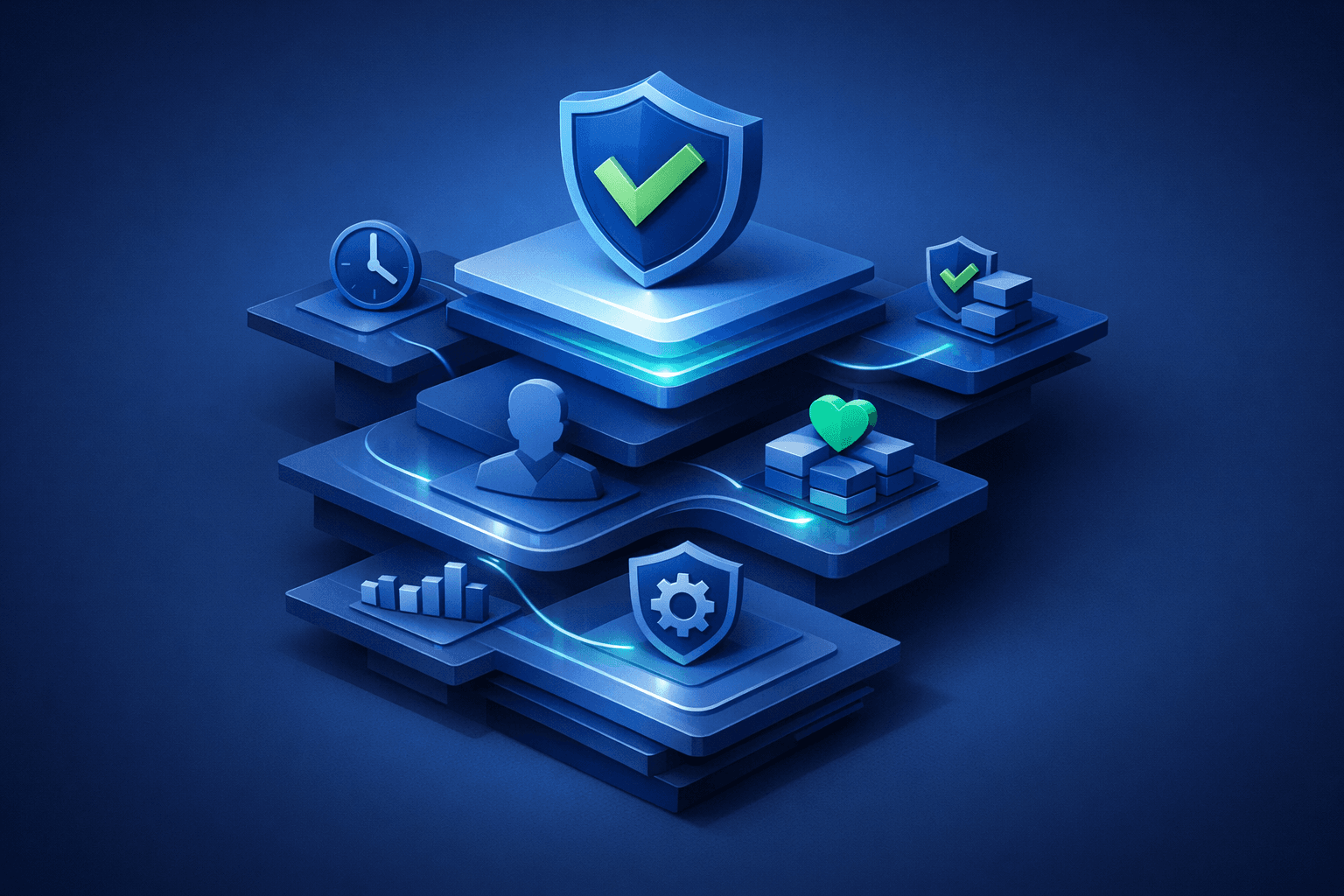
Do you think a payroll platform is just a pay calculator for your employees? It can become a single point for workforce management activities and information. By utilizing payroll as a destination, leaders get clarity and ensure teams are not doing duplicative work. How payroll can really link HR, time tracking, benefits and compliance in practice is explored in this article.
Why rethink payroll as a hub
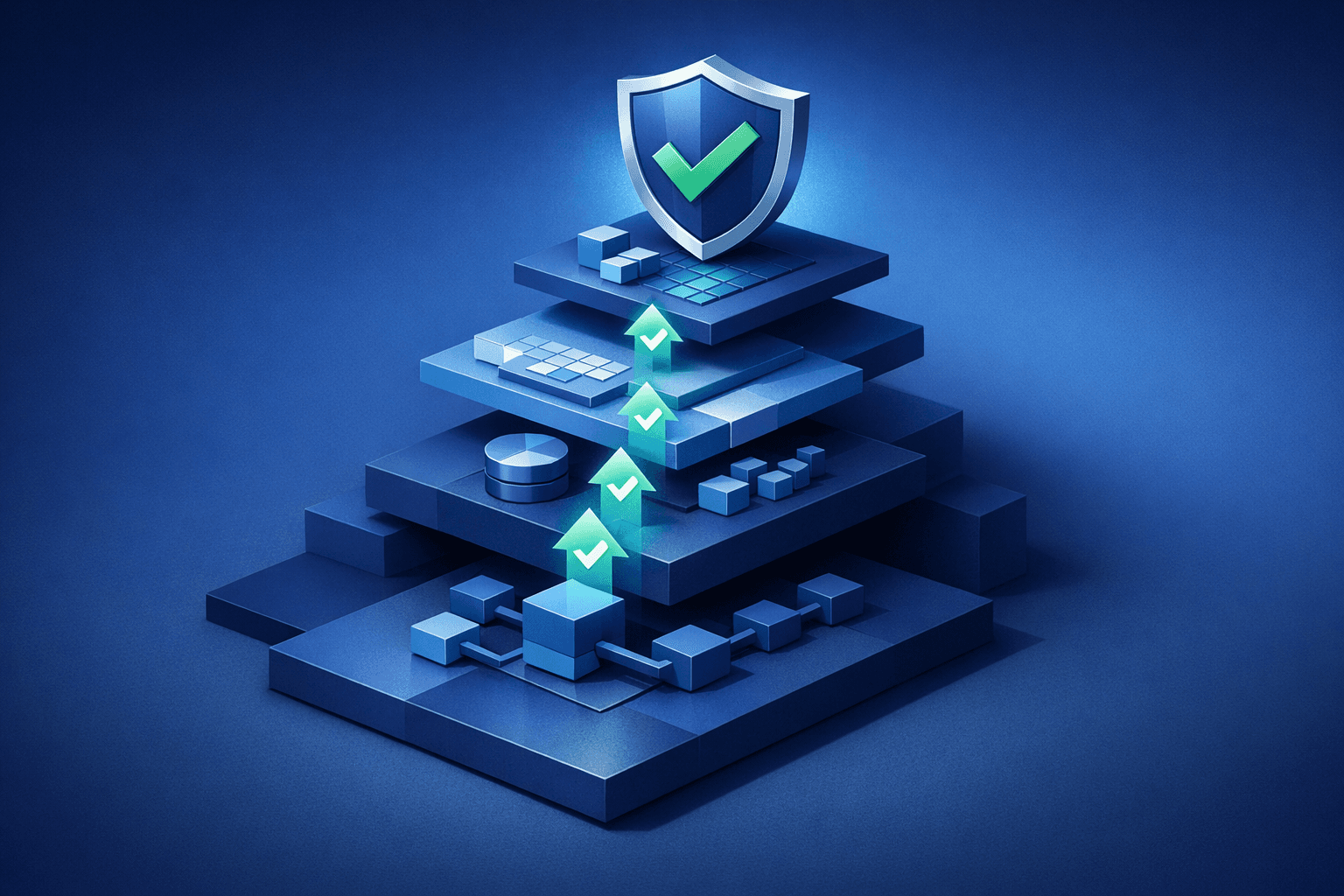
Payroll is separated from day to day workforce tasks by many organizations and time is lost. Connected payroll allows for fewer manual steps and streamlines everyday operations within HR and finance. When systems pull from the same source, teams get better quality data with fewer reconciliation errors. Staff spend less time fixing errors and more on strategic work.
Payroll as a workforce tool — core features of it
A payroll platform that is the center of workforce management must consistently support several core features. It also needs to process precision-based remuneration calculations, timekeeping inputs and tax and compliance regulations.
It should also be capable of sending clean employee data for benefits administration and HR teams. In unison, those capabilities make life easier for the organization.
Key capabilities to look for
- Audit logs that clarify how commits affect pay calculations
- Automated real-time payroll syncing time tracking
- Input to the deductions and eligibility for benefits administration
- HR integration that ensures employee records are aligned.
How these capabilities reduce friction
Eliminating mistakes also means payroll runs faster when time tracking is integrated directly into your payroll. HR changes (eg promotions or terminations) where pay and access are updated without requiring you to duplicate it. Benefits administration receives accurate deduction amounts on time and employees view identical data. That one workflow saves hours of labor and minimizes compliance risk.
Integration and data flow
Sync data, and why is it important
In order to be useful, a payroll platform must streamline reliably moving data between functions. Real-time data integration ensures records for HR, finance and benefits teams are always consistent. Good sync between systems also prevents stale employee details and pay items from going awry. Having accurate data flows allows you to produce more reliable reports and resolve issues quickly.
Integration strategies
Most teams use a gradual approach when linking systems to a payroll platform. They begin by mapping fields that are critical such as employee IDs, pay rates and tax status. Second, they defined validation rules to detect and shoot false records as early on as possible! Finally they sync at regular intervals and check the logs for any clear error related to these exceptions.
List of integration steps
- Map employee identifiers and pay fields
- Create validation rules for crucial payroll information
- Regular & appropriate syncs so your data remains up to date
- Quickly resolve exception, be aware of logs
Time tracking and scheduling
Workforce management is a gigantic area that focuses on time tracking and scheduling, linked to pay directly. A payroll platform that allows time entries streamlines both accruals and overtime calculations. In addition to tracking hours accurately, it also helps in budgeting your labor cost across projects. When teams trust their time data, they can better plan shifts and control overtime.
Benefits administration and HR integration
By connecting benefits administration with payroll, deductions and contributions are calculated accurately during every pay period. HR integration ensures hires, terminations and status changes show up automatically in payroll and benefits. This minimizes the need for any manual changes and maintains accurate records of employees. The result is fewer mistakes, along with quicker onboarding.
Compliance and security
As Payroll deals with sensitive employee data in addition to tax information, a sense of tamefoolery must be initiated. A payroll platform needs to facilitate adherence to tax laws, wage laws, and record retention standards. Key payroll data must be restricted in access and in changes. As doing so consistently helps eliminate fines and damage to trust by employees.
Compliance tasks to prioritize
- Keeping Track of Payroll and Taxes
- Properly implement wage and hour rules for all employees
- Conduct training of employees about the data handling and privacy policies
Implementation and change management
Centers of payroll as the nuclei in a heretofore workforce management model require planning across teams with clear change management. Begin with a controlled integration by designing a pilot group to test integrations and data flows. Provide training for payroll, HR and managers on new processes and how changes to data affect payroll. A phased rollout minimizes disruption and aids team learning.
Best practices for adoption
Conduct a pilot with well-defined success criteria and timelines. Provide role based training and quick reference guides on common tasks. Capture feedback on early runs and iterate through fixes before wider rollout. These steps guide teams to embrace the payroll platform as their workforce management center of gravity.
Measuring value and ROI
Monitor time that would have otherwise been spent on manual tasks, payroll errors you avoided and how much faster the onboarding process went. Additionally, measure improved accuracy in benefits deductions and reduced compliance violations.
Convert those operational efficiencies into savings and lower risk for decision makers. By showing better data, you are holding up your end of the bargain that got initial investment in the payroll platform.
Conclusion
Then otherwise, treat payroll as a workforce management platform that pulls together HR, time tracking, benefits and compliance under one source of truth. With access to a full-time payroll professional, organizations are able to pay employees more frequently than traditional bi-weekly or monthly cycles while having fewer errors and a better visibility into labor costs.
An integration approach with appropriate controls and trainings will facilitate a smooth transition into the connected model. With payroll is at the center, time and risk are saved across teams.