
Key takeaways
What this article covers, in order:
- The enhanced bank feed in an cloud accounting system
- Introduction
- How does the enhanced bank feed function
- Key benefits
- Setting up the bank feed
- Best practices for transaction syncing
The enhanced bank feed in an cloud accounting system
Introduction
The bank feed is said to allow small finance teams to do less manual work. It provides users with more frequent updates and transparent transaction information. This blog explain how to get from feed & use with the common workflow. It will cover steps to set up, sync and quick ways to check for errors.
How does the enhanced bank feed function
Real-time transaction syncing
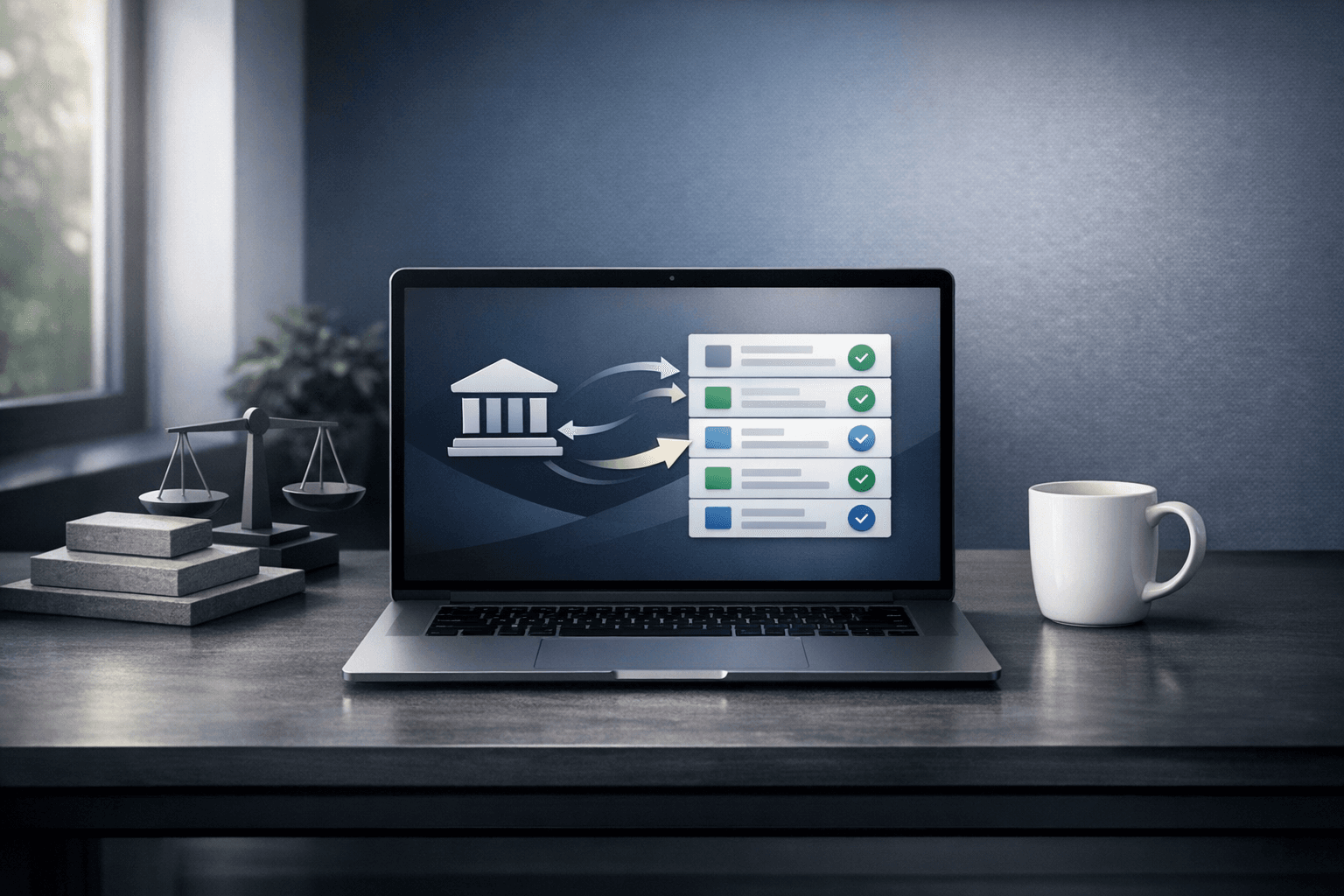
It sends transactions faster to your bookkeeping area which is a new feed! It maintains a live link, so records update within days of when a bank posts them. This ensures timely updates, which help identify mistakes at an earlier stage and maintain the accuracy of your balances. Pending items and final transactions will fill in as you receive them.
Smart matching and categorization
Matching rules are used by the feed to match bank lines with your invoices and bills. It predicts categories based on previous posts and the most used descriptions. Reply or refuse suggestions before acceptance final. It helps to decrease duplicate data entry, for the regular vendors and customers.
Key benefits
- Faster reconciliation can save time on a month-to-month basis
- Less litter: Let us keep humans at their best, with fewer opportunities for human error
- More clearer transaction data support better decisions
Setting up the bank feed
Connecting your accounts
First add the payment bank connection from your banking area in the accounting. You will have to enter a few prompts which are for secure access and you will also be able to choose the accounts you want them linked with. Choose checking and savings if you want a full view. It now starts pulling transactions based on the permission you have given.
Mapping rules and categories
Mapping rules can be used to pre-categorize recurring transaction types within your business. Provided vendor names and ranges of amounts to assist in matching transactions correctly. Periodically update rules where your expense levels change or new vendors come along. Efficient mapping minimizes time dedicated to reviewing every imported entry.
Quick setup checklist
- Confirm account numbers before associating the feed
- Select appropriate date ranges for initial import
- Define category rules for typical payments
Best practices for transaction syncing
Schedule regular reviews for imported items to ensure accurate and up-to-date records. Daily or weekly checks prevent minor errors from accumulating into major reconciliation problems. Always apply the recommended matching but validate amounts and dates for difference before first match to examine where an amount is being received. Having a regular review schedule ensures dependable financial statements.
Reconciliation routines
You must reconcile your bank statements with your ledger at least on a monthly basis to ensure accuracy and compliance. Mark cleared items and make adjustments for pending transactions using an updated feed. Locate the lines to check against bank or prior manual entries, if there are discrepancies. However, reconciling on a timely basis saves auditors from being surprised during tax time.
Checklist for regular reviews
- Once a week review unmatched transactions
- Verify vendor names and sharing expenses when necessary
- Archive rules that are no longer relevant
Troubleshooting and common issues
Check the state of your connection first if transactions are not synced in settings area. If tokens expire, or a bank restructures its login flow, re-authenticate access. Find duplicates imported and clear line items prior to reconciliation. When the amounts do not match, examine the source of funds (the raw bank description) against the ledger entries for precision.
Security and access tips
Only have the trusted staff who perform the bookkeeping be able to access your bank feed. Role controls allow some users to see transactions but not edit them. Leave audit trails on to see who accepted or modified a match. Have a policy in place to regularly review user access and remove departing users promptly.
Conclusion
A streamlined bank feed was just what everyday users needed to make their online accounting simpler and more precise. Mapping rules, scheduling periodic checks, and following basic checklists all help reduce mistakes. If you encounter problems, rely on the fast troubleshooting actions to recover sync. The feed then turns into an automated step in your bookkeeping process.