
Key takeaways
What this article covers, in order:
- How A.I. Is Reshaping Accounting Jobs: Will There Be Work for Enough U.S. Bookkeepers?
- The Transforming Nature of Accounting Work
- Where it’s already replacing work
- What kind of work AI can do PART 2.
- Roles and opportunities brought by automation
- What bookkeepers can do right now in practical terms
How A.I. Is Reshaping Accounting Jobs: Will There Be Work for Enough U.S. Bookkeepers?
The Transforming Nature of Accounting Work
Quickening automation and more complex algorithms are transforming the accounting sector. A lot of run-of-the-mill tasks these days are performed by software that scans invoices and processes payments. Bookkeepers in the USA are also feeling this change and questioning their career. This article examines the impact of AI on jobs and what bookkeepers can do to remain in demand.
Where it’s already replacing work
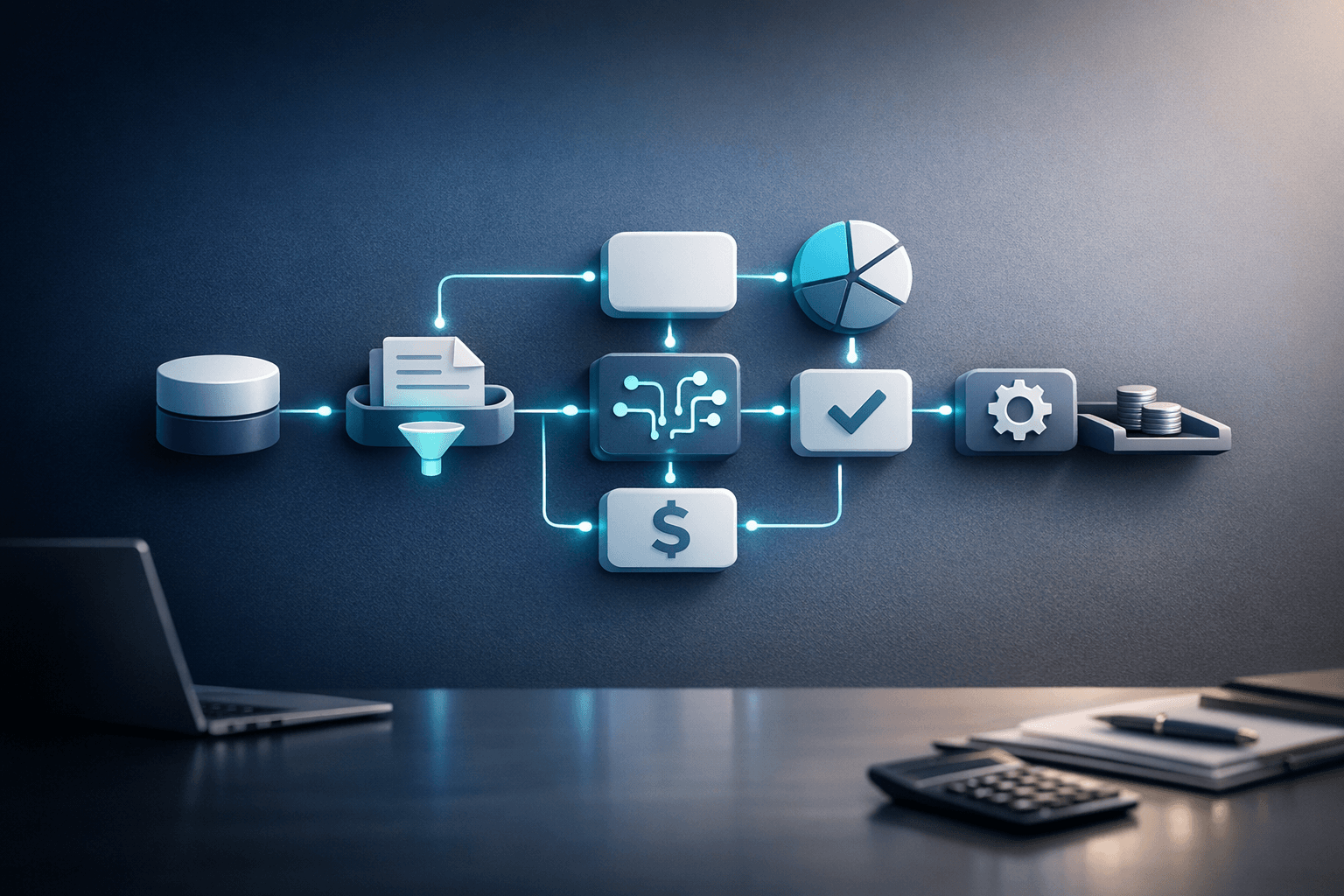
Some of the more common bookkeeping tasks now require less manual input than they did in previous years. You can automatically extract data from receipts and reconcile simple bank statements using the systems. This is cutting hours off repetitive entries and basic checks. Bookkeepers should look at which jobs are most vulnerable to automation and strategize accordingly.
- Post invoices and receipts
- Simple bank reconciliation tasks
- Routine transaction categorization
What kind of work AI can do PART 2.
This is the opportunity we have with AI; it doesn’t just replace tasks, but transforms them into higher value activities that require judgment. Rather than entering numbers, bookkeepers explain trends and unusual items. They require more robust communication and analytical skills to convey what the numbers mean for managers. This transition leads the position from processor to advisor over time.
Skills that gain value
Bookkeepers who gain analytical skills and deliver clear reporting create caree resilience. Understanding how to prepare clean reports and explain facts about cash flow keeps them relevant. People who know how to couple data accuracy with useful interpretation will be paid more by clients and employers. Routine automation will highlight these higher value skills.
- Reasonable description and interpretation of reporting
- Basic financial analysis and spotting trends
- Communication with clients and providing advice
- Data entry entry level position in the USA
Employment statistics may decline as automation spreads, but demand will not disappear altogether. Small businesses still need a person to resolve exceptions, fix mistakes and deal with complex cases. Areas with a great number of small companies might maintain stable demand for localua bookkeeping solutions. But the real question is what roles will be preserved and in what form.
Roles and opportunities brought by automation
Automation even brings about jobs that were previously nonexistent, especially within accounting teams. People who had been bookkeepers can transition into systems setup, data quality monitoring and workflow design. They can also become trainers who assist employees in using new systems and interpreting AI-generated reports. These roles need a combination of domain knowledge and technical awareness.
- Configuration and set up of a system roles
- Managing data quality and exceptions
- Training and change management function
What bookkeepers can do right now in practical terms
Bookkeepers should conduct an audit of their current responsibilities and look for repeatable patterns that can be handled by automation. They need to spend more and learn how systems work and how to correctly check the automated outputs. Building simple skills in spreadsheet, basic analysis and effective communication will reward you very quickly. A bookkeeper can be moved to a higher value role with small changes in daily work.
Training and networking suggestions
Local training programs and peer networks have helped bookkeepers master practical skills without the path of long-degree programs. A financial analysis course works wonders, as do short courses in data handling. Networking with small business owners indicates where advisory support is most required. For most working bookkeepers, practical skills beat general technical theory hands down.
Businesses and services companies’ responsibility
Employers need to reconsider how they deploy bookkeeping employees and design jobs that blend automation with human judgment. Companies that invest in training and reconfiguring will have better retention and provide better services. Managers should be shuffling employees into tasks in which machines perform badly, like client advice and complex reconciliation questions. This will ensure that human work remains relevant and effective.
Preparing for a mixed future
Overall, the future of accounting jobs in the USA is likely to be good but it may take on a different role than you might expect. Massive change has always presented opportunity, and bookkeepers who adapt will find a steady demand for their knowledge in new shapes and forms. Those who refuse to adapt fight against higher opportunities disappearing as automation manages more of their daily functions. Planning, learning and working your way toward analysis and client service will be the keys to long term viability.
Is there going to be enough work for bookkeepers in the US?
Work will exist, but it is not going to look the way that it did in the past and roles are likely to shift across industries. How the role of a bookkeeper evolves in the USA AI era will depend very much on how quickly existing workers learn new skills and how rapidly employers create redesigned roles. Accounting automation and AI will not eliminate jobs but will change human beings to move more toward overseeing, exception handling and consultancy work. Those who move early into these areas will enjoy stable and rewarding careers as bookkeepers.