Complete Guide to E-Way Bill: Generation, Updating Part-B, Cancellation
Introduction
E-way bill assists in tracking the movement of goods in transit under a tax regime. In this guide, you will learn how to generate an e-way bill, update and cancel Part-B as per requirement. Readers will be guided through step-by-step processes, explaining commonly required documents and practical tips to remain compliant. This is to make the process easier for a reader not of this field who wants clear advice.
Essential details for generation
Essential details about the shipment are required to be known before generating the e-way bill. This includes sender and receiver addresses, invoice or challan number along with goods value being moved. You also need transport mode and vehicle number to track your trip movement. In order to prevent wasting time and errors while generating, obtain these information beforehand.
Step-by-step generation steps
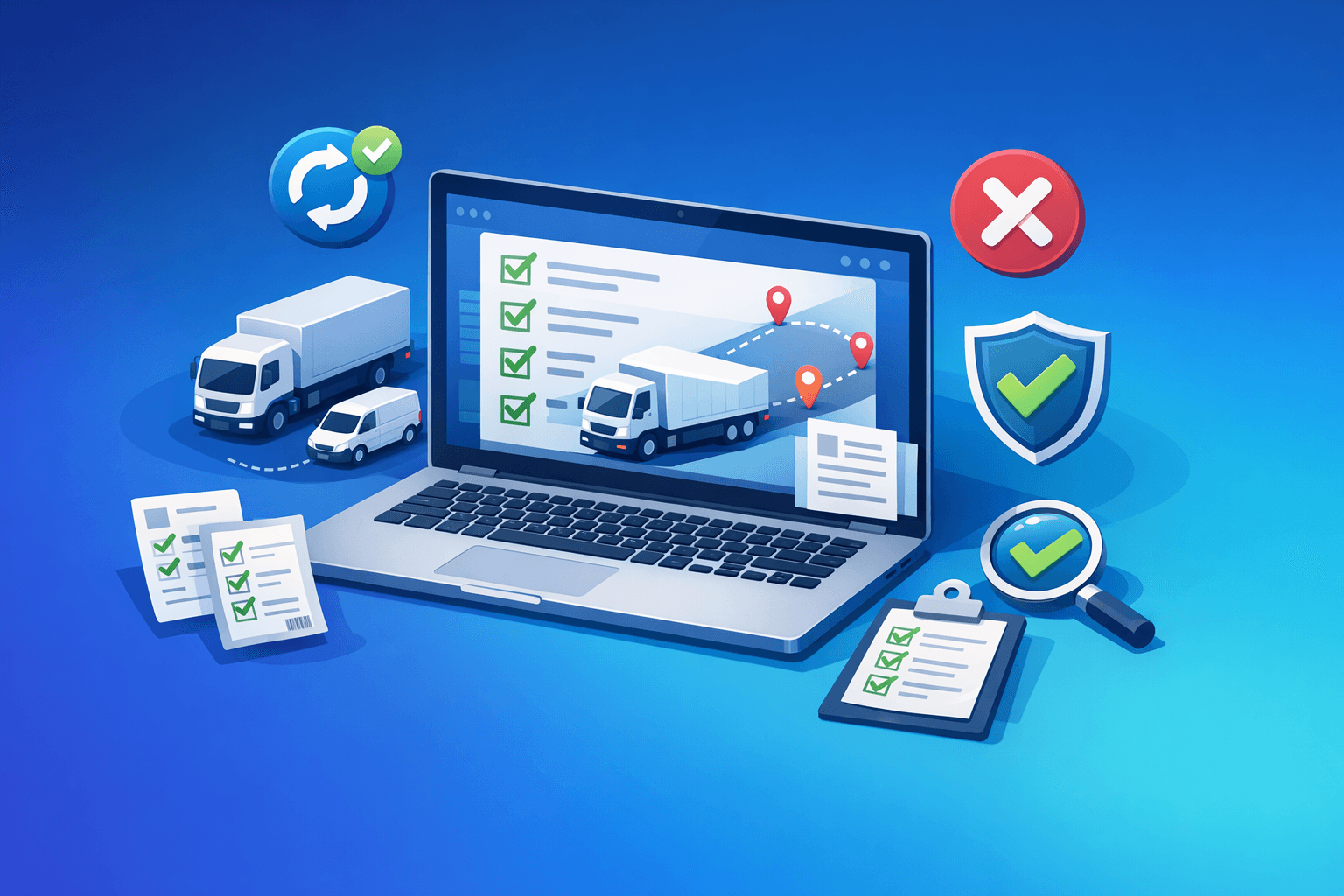
To generate a compliant e-way bill for road transport shipments, the following sequence needs to be closely followed. Enter the invoice number and date first, followed by product details and HSN codes. Then, go the transport details, select transporter type, vehicle info confirming. Now personally check all the entries and click on submit to generate the e-way bill number for your trip.
- In and out addresses are entered correctly
- Invoice no, date and total invoice value
- Specify product details and update HSN codes
- Mode of transport and vehicle registration details
Part-B Updates and Extensions
When to update Part-B
Then Part-B is Transportation information and it requires modification as vehicle information varies from origin place to destination. Update Part-B if carrier is changed or New vehicle replaced the older one. This makes for timely updates that prevent compliance issues and ensure inspectors can verify who is the current carrier. Always verify transit dates, and update to indicate actual movement
Part-B update steps
For new vehicle number and transporter details, if Part-B is updated after purchase from authority. The original e-way bill number is confirmed and the registration details of the replacement vehicle are entered. Once submitted the system notes it and updates the bill with current transport information. Retain a copy of the amended record for both verification and documentation of compliance.
- E-way bill number should be the same for updates
- New car registration (after change)
- In case all the archives are not accessible, try to find the back-up for auditing purpose
Cancellation and Corrections
When cancellation is allowed
You can cancel e way bill, which is generated by error and no movement has begun. If the corresponding invoice or challan is cancelled prior to commencement of transit, cancellation would also apply. Cancellation must be done within the period that regulatory body has set otherwise penalties may apply. If goods have already been put into motion, cancellation typically does not apply and additional corrective measures are required.
Cancel Or Correct Errors
E-way bill number can be used to initiate a cancellation request, along with its reason and relevant details. If the bill can be cancelled, then it is marked as cancelled in the system, and an entry is made. If you find errors after transit has begun, you must follow a correction process or issue new documents to adjust records. Creating Certifying document: In case other certifiers are not present, the certifying body establishes specific details on how to create a Certifier Document containing information regarding goods and trust. Keep a clear record of cancellations and corrections for accounting and audit purposes.
- Only cancel if the movement has not already started
- Explanation and Attention of invoice information
- Store cancellation messages and timestamps
Best Practices and Compliance Tips
Record keeping and validation
Retain the records associated with e-way bills for a duration of at least suggested retention period. Provide line item value validation, HSN codes and address validations as well to avoid corrections post generation. Keeping a simple checklist on what should be included before submission can ensure that all fields are filled correctly. Cross checks should be regular and avoid penalties; accuracy improves.
Common mistakes to avoid
Like entering incorrect vehicle numbers, wrong HSN codes, or incomplete receiver addresses. Part-B updates should not be delayed where vehicle change happens in transit. There should not be multiple e-way bills for a single consignment if there is no requirement in law. Train staff involved in shipments to take consistent steps and conduct checks within the organization.
- Verify the HSN and invoice totals
- Update Part-B after vehicle change immediately
- Have a submission checklist for each shipment
Conclusion
It Minimizes Mistakes- A clean-cut process reduces mistakes when you create an e-way bill, Part-B updation or cancellation of documents. Accurate detailsship one at a time and as other energisations occur, update the listed transport data. Only cancel when movement has not started and keep detailed records of every action for compliance. Follow the guide to avoid common errors in transit documentation and enhance accuracy.